Chinese Lucky Symbols in Malaysia: Dragon, Koi, Fu Lu Shou & More
Chinese lucky symbols in Malaysia are everywhere — in the red lanterns strung above Petaling Street, in the jade pendant a grandmother presses into her grandson's palm before his SPM exams, in the gold ingot a 4D buyer keeps tucked inside his wallet. The Chinese lucky symbols Malaysia readers ask us about most often are the ones tied to wealth, longevity, protection, and new beginnings — the four pillars of Chinese folk religion. This page is a single, well-sourced reference for all of them, written for Malaysians who want the meaning, not the marketing.
The Malaysian Chinese community — roughly 22.6% of the population, per the 2020 census — preserved a denser collection of folk practices than many mainland Chinese cities, because tradition here was carried by migrants from Fujian, Guangdong and Hainan and then protected by distance from the Cultural Revolution. What you see in a Penang clan house or a Kuala Lumpur temple is often a clearer window into 19th-century Chinese folk religion than what you see in Shanghai today. Many of the symbols below are still actively used in rituals for gambling luck, business openings and newborn blessings.
The Chinese Dragon (Long, 龙)
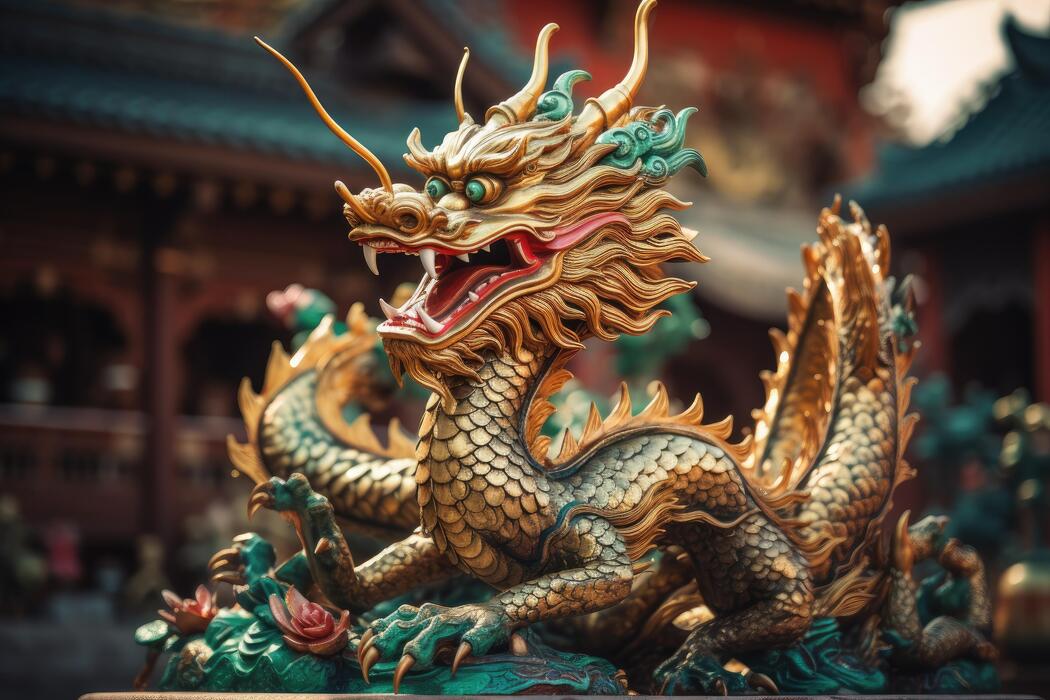
The dragon is the single most important of the Chinese lucky symbols in Malaysia and across the diaspora. Unlike the Western dragon — a fire-breathing monster to be slain — the Chinese dragon is a spiritual and cultural symbol that represents prosperity, good luck, strength, and control over water and weather. Academics trace its origin to four theories: snakes, Chinese alligators, thunder worship, and nature worship. Whatever its origin, in folk religion the dragon is a rain deity that fosters harmony and a bountiful harvest.
In practice, Malaysian Chinese families place dragon figurines in the east of the home (the dragon's traditional compass direction) to activate the family's fortune. Dragon imagery on a shop sign signals authority and a long lineage. For gambling specifically, dragons embroidered in gold thread on a red wallet are believed to amplify the wallet's ability to "draw in" money. The Wikipedia entry on the Chinese dragon is the most accessible primary reference for the academic origin theories.
The Chinese Phoenix (Fenghuang, 凤凰)
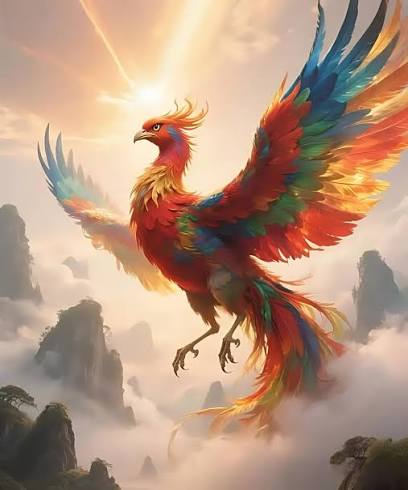
The fenghuang is often mistranslated as "phoenix", but the Chinese fenghuang has nothing to do with the Western phoenix's cycle of burning and rebirth. It is instead a symbol of virtue, grace, divine femininity, and balanced cosmic harmony. In Chinese art the dragon and the phoenix are paired together — the dragon representing the emperor (yang, masculine) and the phoenix the empress (yin, feminine). Together they represent the perfect union of opposites.
For Malaysian Chinese weddings, the "dragon-and-phoenix" motif (龙凤) appears on everything from the bridal cheongsam to the wedding invitations to the double happiness candle. It blesses the marriage with mutual respect and balanced power — not just romance. Modern Malaysian brides still wear a dragon-phoenix bangle set (龙凤镯) presented by the groom's mother during the tea ceremony.
Fu Lu Shou — The Three Star Gods (福禄寿)
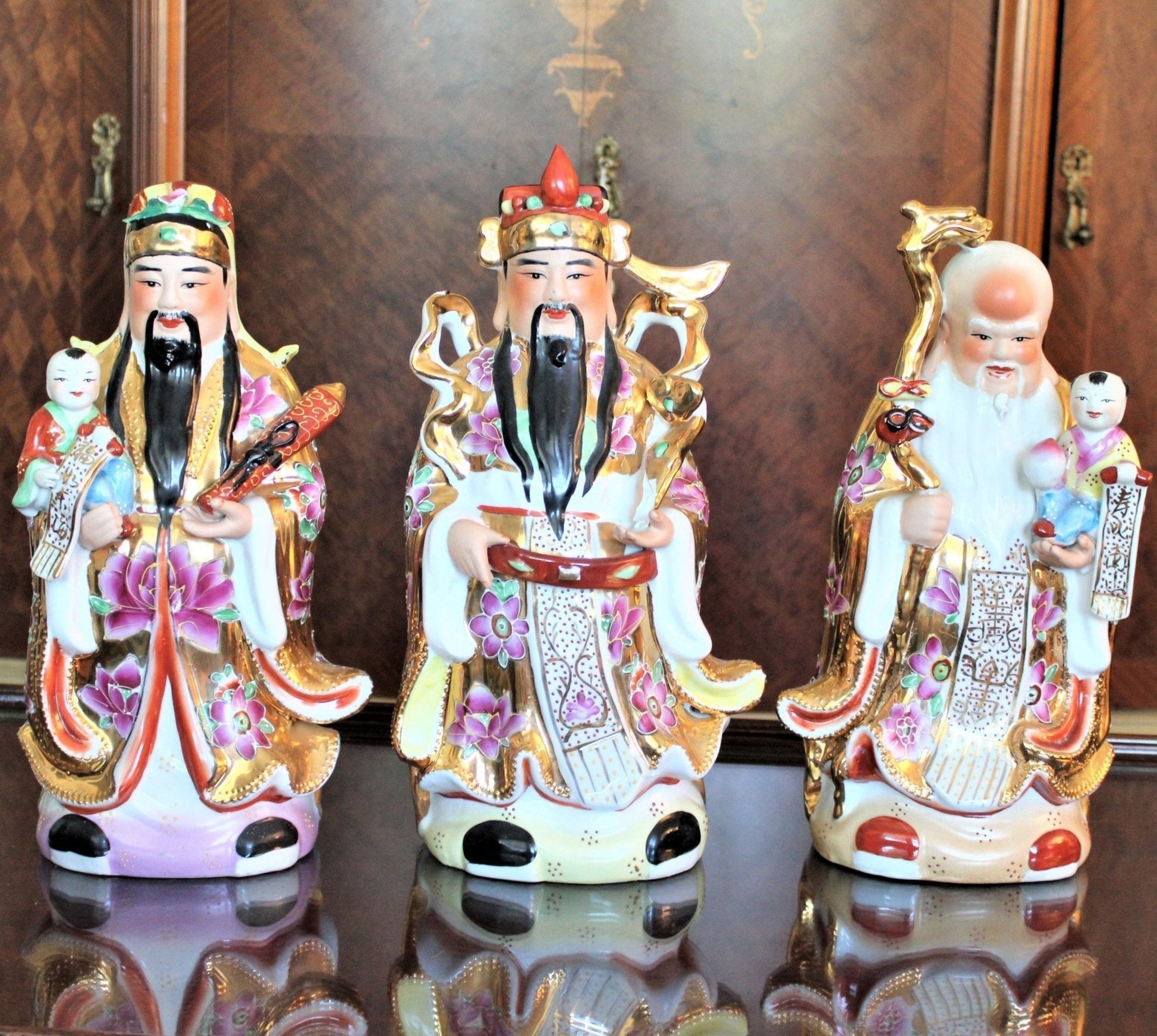
The Three Star Gods, or Sanxing, are three deities originating in ancient Chinese star worship — each the personification of a named celestial body in Chinese astronomy. Together they represent the three attributes of a good life: fortune (Fu), prosperity or status (Lu), and longevity (Shou). The University of Michigan Museum of Art describes them as "three very popular deities that can be found almost in any place where Chinese communities exist" — and Malaysian Chinese homes and shops are no exception.
The three are almost always displayed together, in a specific order from right to left: Fu (right, holding a child or a scroll), Lu (centre, wearing a mandarin's hat and robe), Shou (left, recognisable by his enormous bald forehead and long white beard, holding a peach). Place them on a high shelf facing the main door — never in a bedroom, kitchen or bathroom. Their placement is the single most common feng shui request Malaysian feng shui masters receive from new homeowners.
Koi Fish — The Wealth Swimmer
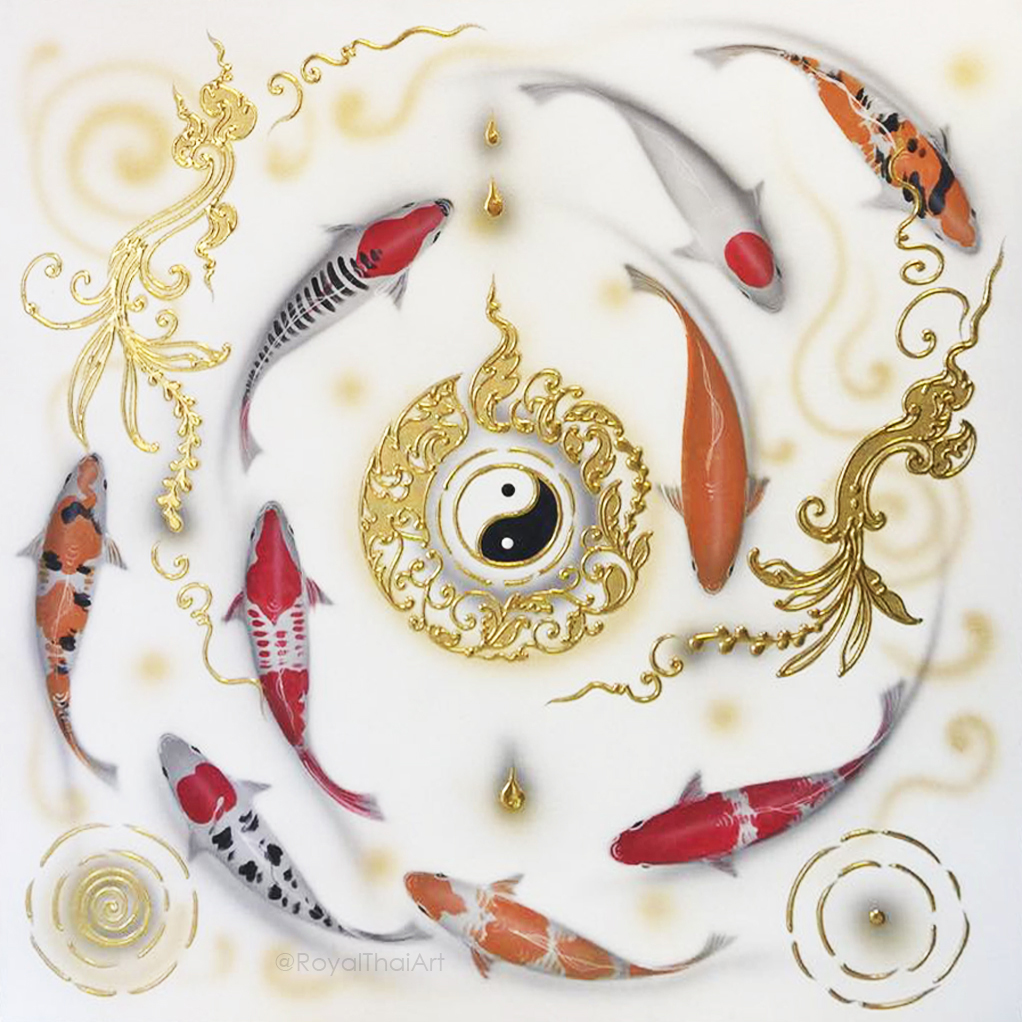
Koi fish are widely considered symbols of good luck, prosperity, and the power to traverse obstacles in destiny and life. In Chinese culture, koi stand for fortune, success and perseverance. Gold koi specifically symbolise wealth and the active inflow of money. The most auspicious feng shui arrangement is nine koi together — typically eight golden or red and one black — placed in a pond in the southeast (the wealth sector of the bagua). The eight gold koi attract wealth, and the single black koi absorbs any negative energy that might otherwise deflect the luck.
The cultural root is the legend of the carp that swims upstream against the Yellow River current and leaps the Longmen waterfall to become a dragon — a metaphor for perseverance transforming a commoner into a person of power. Malaysian Chinese parents still buy koi paintings for their children's study rooms during exam season, the way a Western parent might pin up a motivational poster.
Maneki-Neko — The Lucky Cat
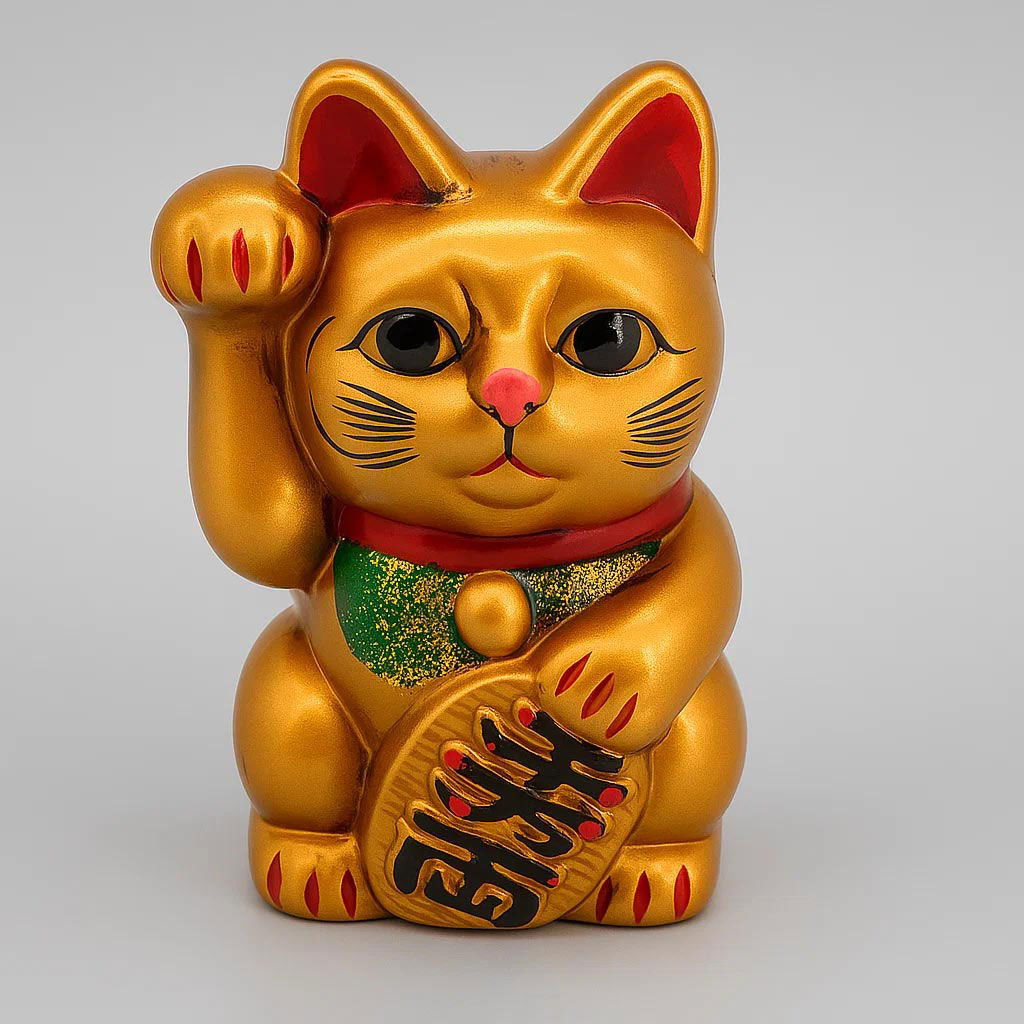
The maneki-neko is technically Japanese — not Chinese — but it has been adopted so enthusiastically by Malaysian Chinese shopkeepers that it deserves its place in this list. The raised paw beckons customers (and money) into the premises. The colour carries the wish:
- Gold or yellow — financial good fortune, the most popular colour in Malaysian retail shops.
- White — purity, happiness, success in business and protection against misfortune.
- Black — protection from evil spirits and stalkers; popular with night-market vendors.
- Red — good health and vibrant relationships.
- Pink — love and romance; sometimes placed by matchmakers or in bridal shops.
The raised paw itself is significant: the left paw invites customers (good for retail), the right paw invites money (good for service businesses with fewer walk-ins). Place the cat facing the entrance, never facing into a back room.
Jade — The Stone of Heaven
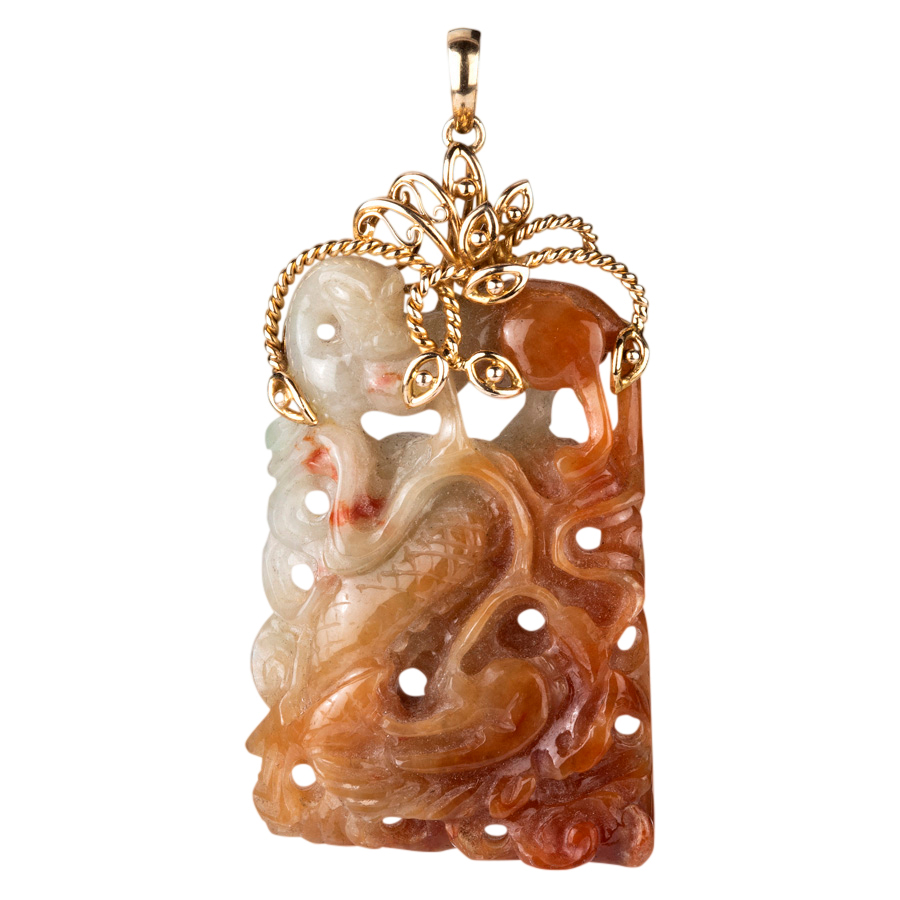
In Chinese culture jade is the stone of luck, protection, wisdom and a deep connection to the natural world. Believed to possess the power to avert evil and bad luck while fostering health and good fortune, jade is traditionally given to newborns (as a bangle to be worn until it breaks, at which point it is said to have absorbed a misfortune meant for the child) and to exam-takers (as a pendant carved with a carp or a scholar's brush).
For gambling luck specifically, a small piece of jade carried in the left pocket is one of the most common talismans Malaysian Chinese men carry into a casino or a 4D shop. The left pocket is preferred because the left side of the body is considered the receiving side in Chinese folk cosmology.
Gold Ingots (Yuanbao, 元宝)
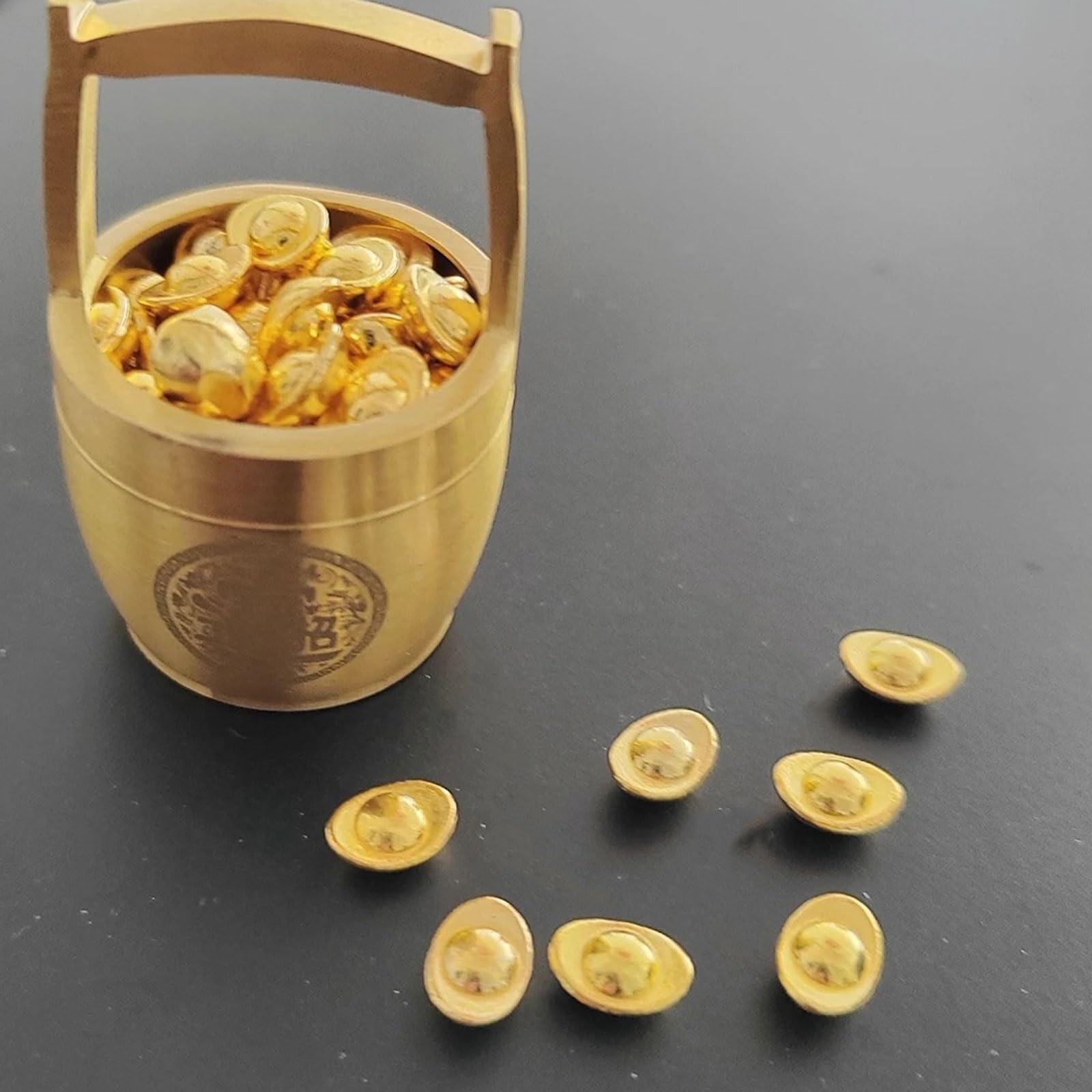
The boat-shaped yuanbao is the visual shorthand for "wealth" in Chinese iconography. Real yuanbao were the currency of imperial China; the modern resin or metal replicas are displayed in bowls, on altars and inside cash registers across Malaysian Chinese shops. Display them in groups of three (representing heaven, earth and humanity), eight (the luckiest number, see our lucky numbers page), or nine (the number of completion). Never display four — the number four is the most unlucky number in Chinese culture because it sounds nearly identical to the word for death in Mandarin, Cantonese and many other Chinese dialects.
Caishen — The God of Wealth
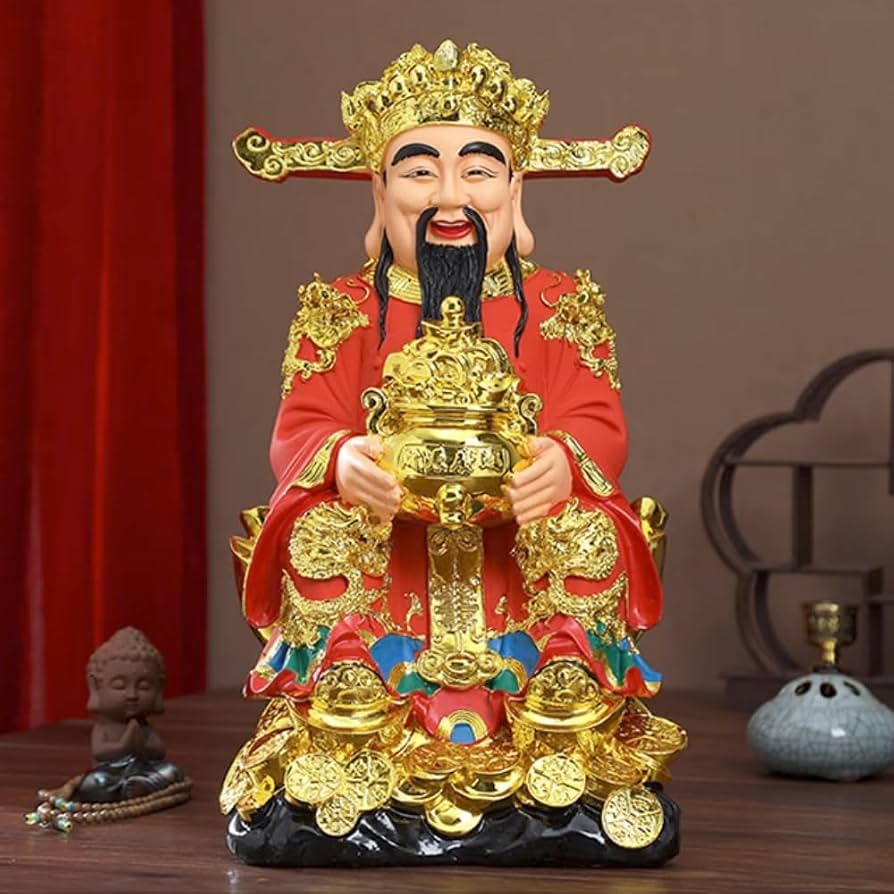
Caishen is the popular Chinese god of wealth, and his image appears on the altars of almost every Malaysian Chinese business during Lunar New Year. His festival falls on the fifth day of the first lunar month, when shopkeepers open their doors, burn incense, set off firecrackers and "welcome Caishen" (迎财神) into the premises. The image of Caishen riding a black tiger and holding a gold ingot is the most common — the tiger symbolises the taming of risk, which is exactly what a gambler or a business owner wants.
Lucky Bamboo (Fu Gui Zhu, 富贵竹)
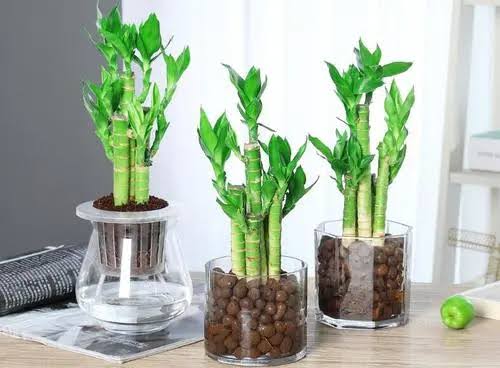
Lucky bamboo is one of the most popular feng shui cures in Malaysian Chinese homes and offices because it is cheap, almost impossible to kill, and visually clean. Each arrangement carries meaning by its number of stalks:
- 2 stalks — love and double luck (often given to couples; never used in a business).
- 3 stalks — happiness, wealth and longevity.
- 5 stalks — academic achievement and creativity; placed in study rooms.
- 6 stalks — blessing and smooth progress.
- 7 stalks — health.
- 8 stalks — luck in wealth; the most common arrangement for retail counters.
- 9 stalks — overall good fortune.
Four stalks should be avoided entirely — the same death-homophone rule as with gold ingots. Place lucky bamboo in the east (health) or southeast (wealth) sector of the room.
The Red Envelope (Hongbao, 红包)
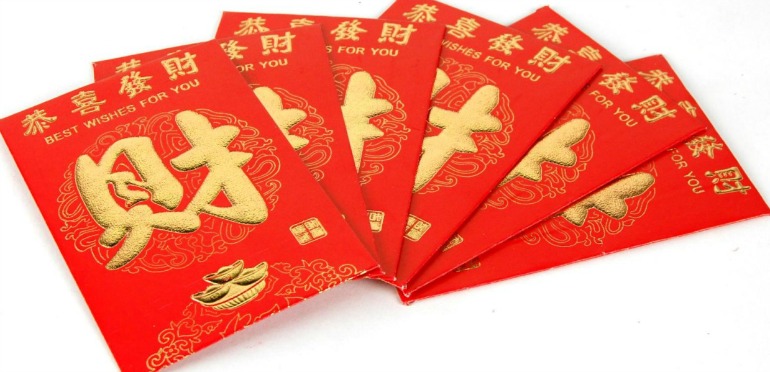
The red envelope is the single most ubiquitous Chinese lucky object in Malaysia. The red colour (hóng, 红) is associated in Chinese culture with good fortune, wealth, happiness, masculine yang energy, and fire — as documented in Wikipedia's entry on colour in Chinese culture. The gold calligraphy on the envelope typically reads Fu (福, fortune), often deliberately hung upside-down — because "upside-down Fu" (福倒了) sounds in Mandarin like "fortune arrives" (福到了).
Beyond Lunar New Year, a Malaysian Chinese business opening will hand out hongbao to the first 88 customers of the day. Malaysian 4D players often keep a single crisp hongbao envelope in their wallet year-round with one ringgit inside, as a "seed" that is supposed to multiply whatever money enters the wallet afterwards.
The Chinese Zodiac
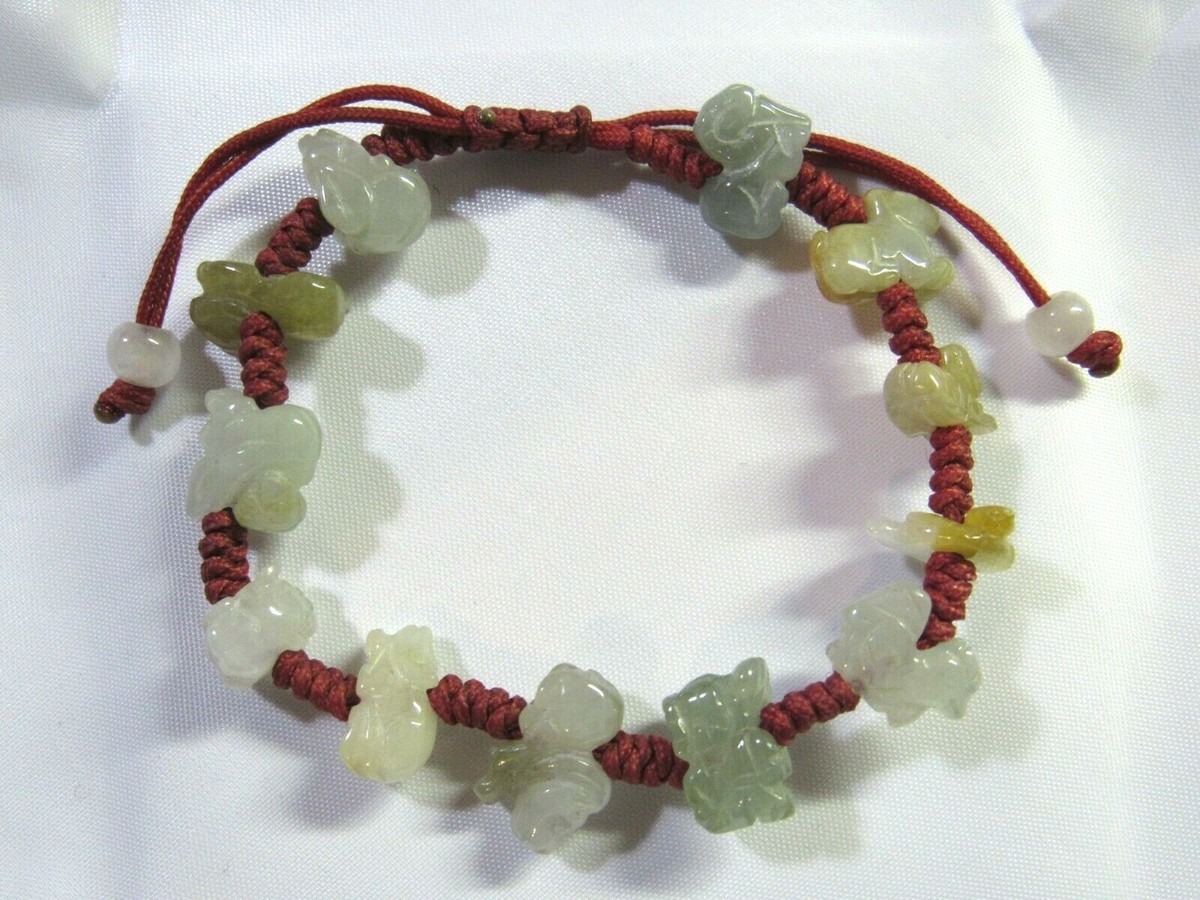
The 12-animal Chinese zodiac (rat, ox, tiger, rabbit, dragon, snake, horse, goat, monkey, rooster, dog, pig) governs everything from marriage compatibility to business launch dates in Malaysian Chinese culture. The most sought-after years for births are the Dragon year (most auspicious, often producing a measurable birth-rate spike in Malaysia) and the Pig year (associated with abundance). Many Malaysian 4D players generate their bets from their own zodiac number (rat = 1, ox = 2, etc.) or the current year's zodiac animal.
How to Use Chinese Lucky Symbols Practically
If you came to this page looking for actionable advice rather than just cultural context, the practical summary is:
- For business and wealth, place a small gold ingot or a Caishen figurine in the southeast corner of your shop or office. Add a lucky bamboo with 8 stalks.
- For home protection, display Fu Lu Shou on a high shelf facing the main entrance, never in a bedroom.
- For gambling luck specifically, carry jade in your left pocket and a single red envelope with one ringgit in your wallet. Read our gambling superstitions guide for the full field-tested list.
- For weddings, use the dragon-and-phoenix motif on stationery and gifts; gift a dragon-phoenix bangle set.
- For exam success, give a child a jade pendant carved with a carp leaping over a Longmen waterfall.
For deeper feng shui placement rules (bagua mirror direction, where to hang a wind chime, where to put a crystal bowl), see our dedicated feng shui tips for Malaysian homes page.
Frequently Asked Questions
Which Chinese lucky symbol is best for gambling in Malaysia?
Jade carried in the left pocket, a single ringgit inside a red envelope kept in the wallet, and wearing red on the day of gambling are the three most commonly cited talismans among Malaysian Chinese gamblers. None of these are guaranteed to work — they are cultural practices, not statistical edges.
Can I display Fu Lu Shou in a bedroom?
No. Fu Lu Shou should be placed in a living room, family room or shop facing the main door, on a high shelf. Bedrooms, kitchens and bathrooms are considered inappropriate because the deities' status demands respectful placement.
Why is the number 4 avoided in Chinese culture?
In Mandarin, Cantonese and most other Chinese dialects, the word for four (四) is a near-homophone for the word for death (死). Four-stalk lucky bamboo, four gold ingots, four-person photos and a hotel room on the 4th floor are all traditionally avoided. Read more on our lucky numbers page.
Is the lucky cat (maneki-neko) Chinese or Japanese?
Japanese. The maneki-neko originated in Edo-period Japan and is sometimes mistaken as a Chinese symbol due to its heavy usage in Chinese communities worldwide, including in Malaysia. It has been adopted as a generic prosperity symbol across East Asian diasporas.
Sources and Further Reading
- Wikipedia — Chinese dragon
- Wikipedia — Sanxing (the Three Star Gods)
- Wikipedia — Colour in Chinese culture
- University of Michigan Museum of Art — The Three Stars: Gods of Happiness, Prosperity and Longevity
- Travel China Guide — Lucky Number 8 in Chinese Culture
- The Gotheborg Glossary — Fu, Lu, Shou: the Three Star Gods
Now pair your Chinese symbols with proper feng shui.
A Caishen statue placed in the wrong corner does nothing. Read our feng shui guide to learn the exact bagua directions Malaysian masters use for wealth, health and protection.